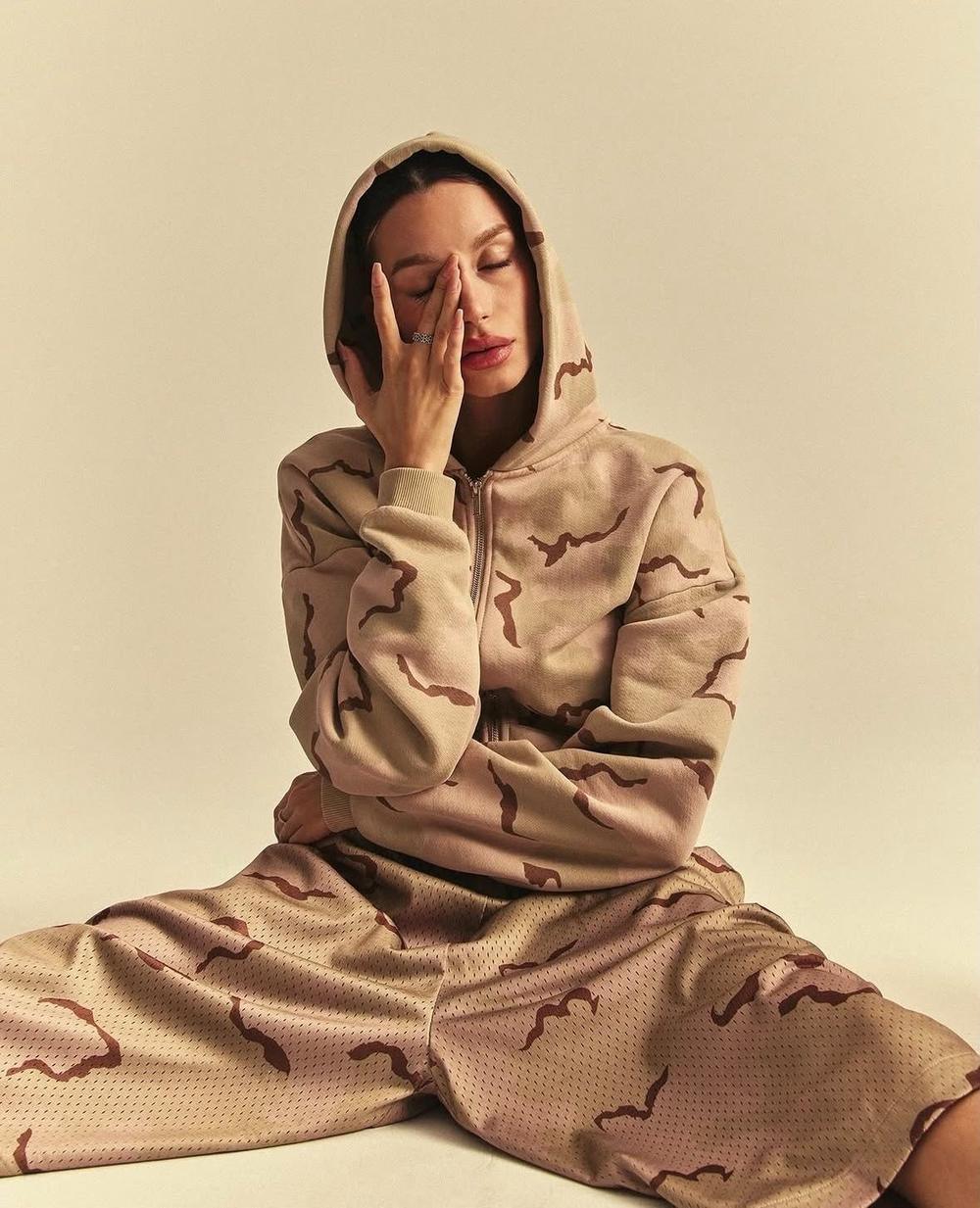
THE CALIFORNIA CONSTANT
Inside Elwood’s quietly confident world of time softened fabrics, instinctive design and effortless West Coast style
There is a particular kind of confidence that belongs to California. It is understated rather than performative, considered but never overly polished. It exists in sun faded colour, in clothing softened by repetition and in the ease of a wardrobe assembled over years rather than seasons. This is the world of Elwood.
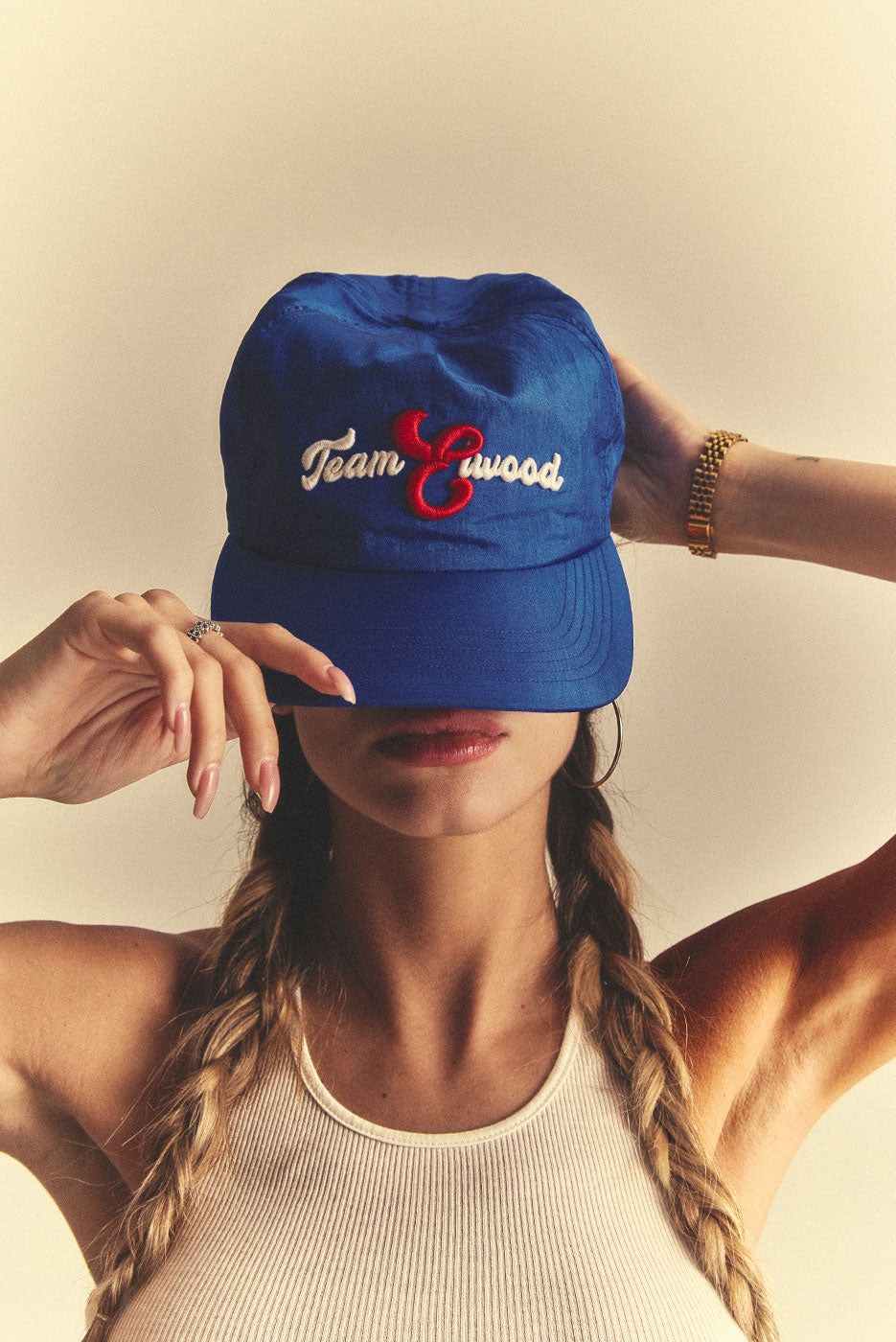
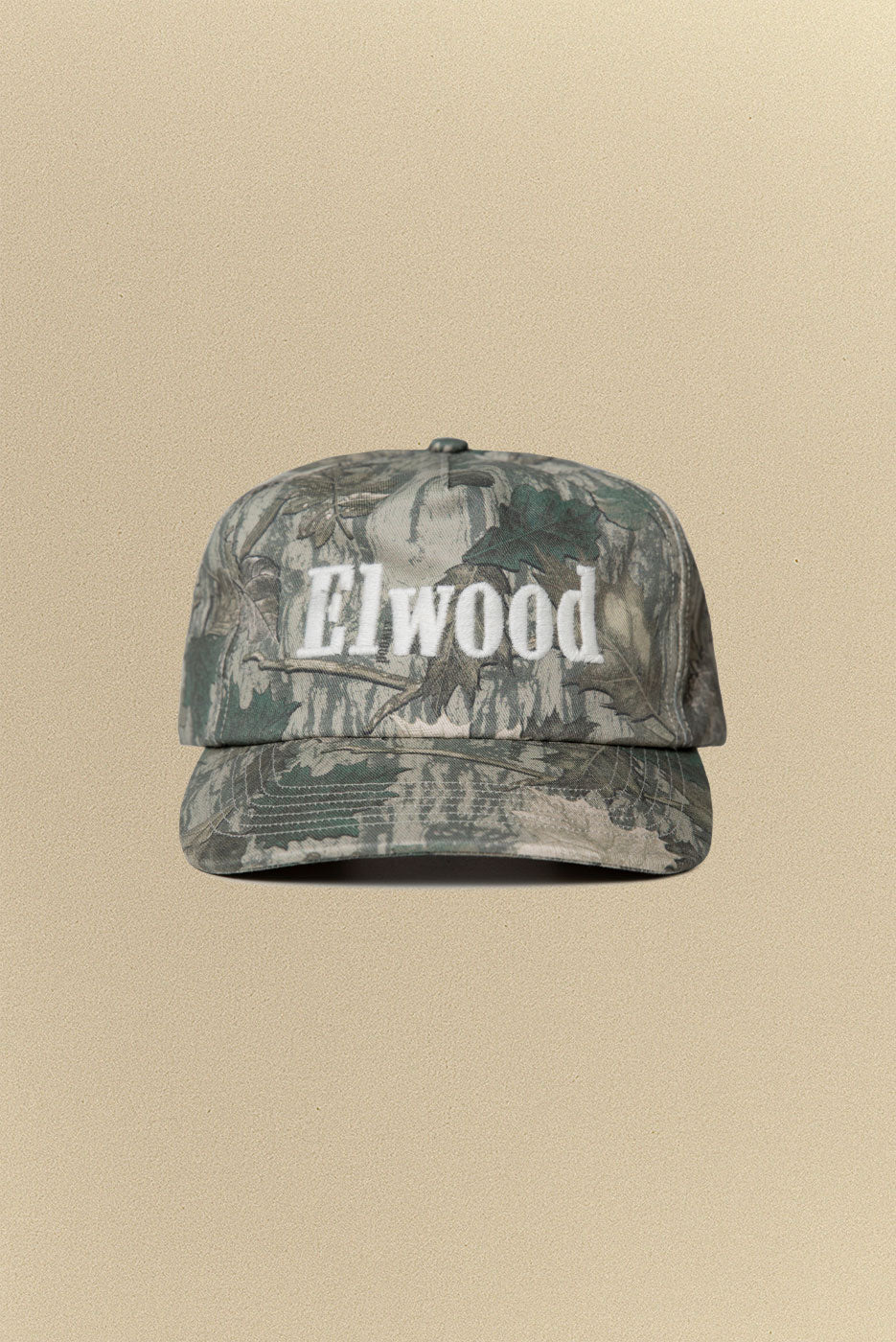
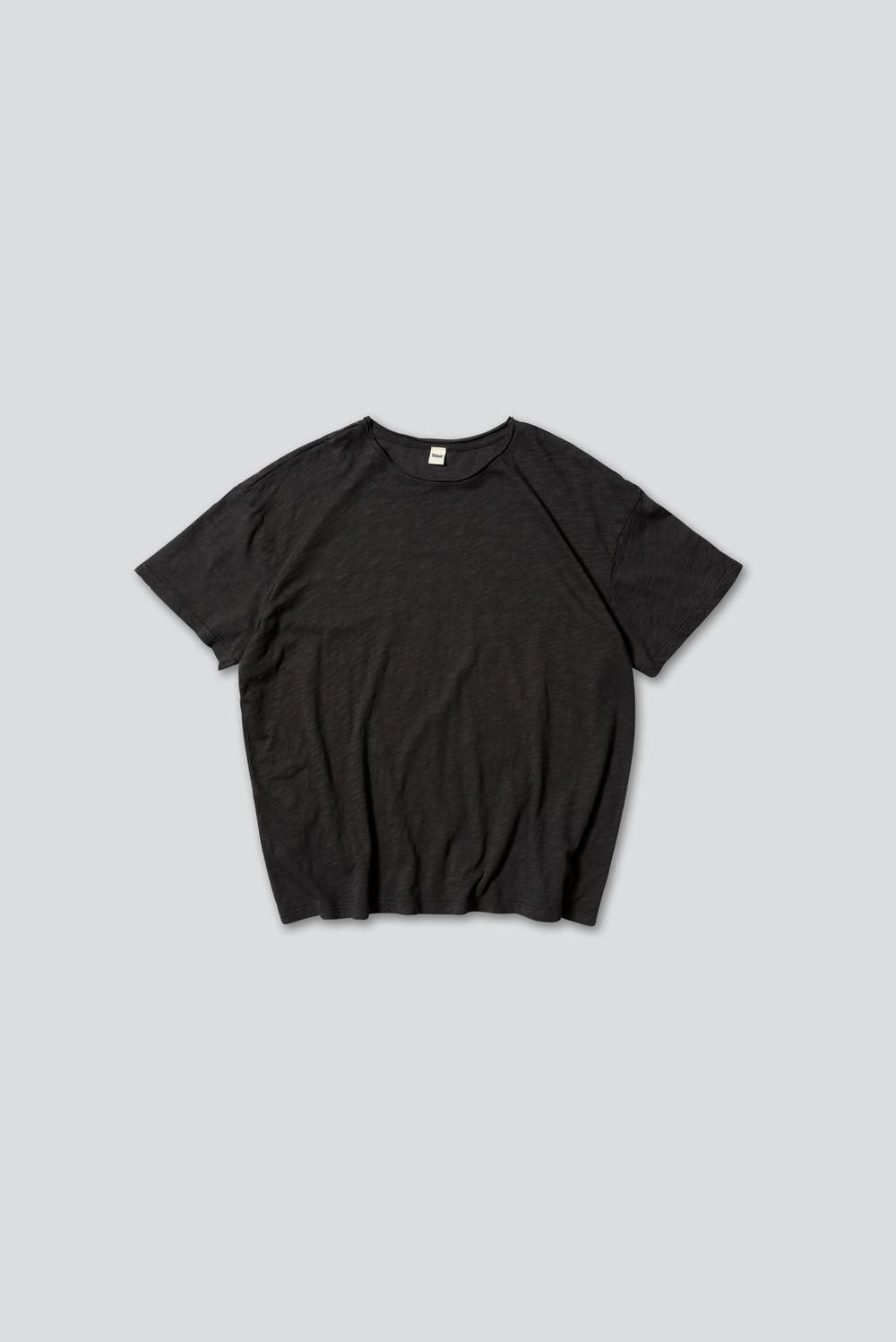
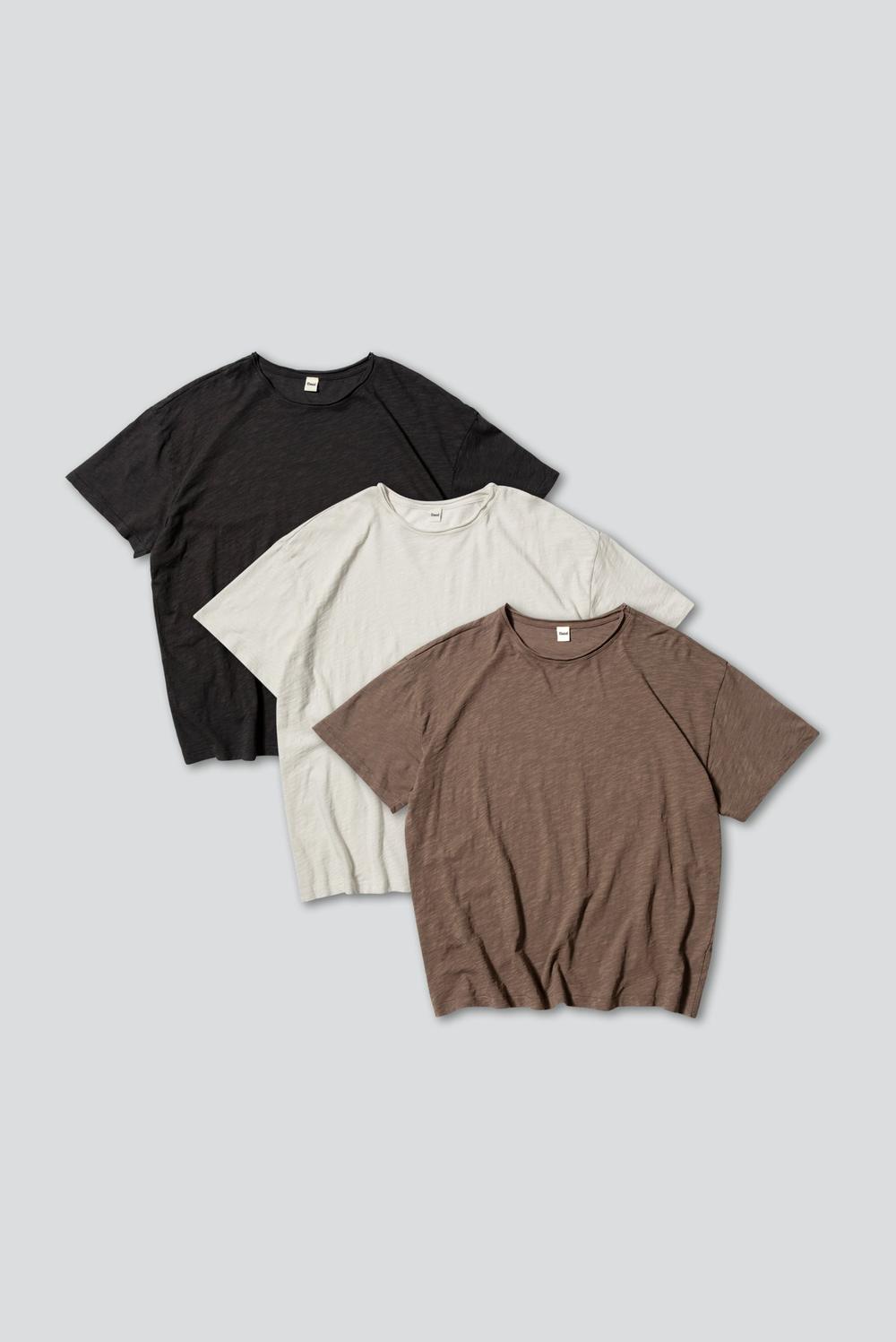
Rooted in the visual language of Malibu, Venice and Los Angeles, Elwood occupies the space where streetwear, vintage workwear and modern wardrobe essentials meet. Its pieces are relaxed without feeling careless, familiar without becoming ordinary. A perfectly weighted T shirt, a washed sweatshirt or a pair of generously cut trousers may appear simple, but simplicity, particularly in fashion, is rarely as effortless as it looks.
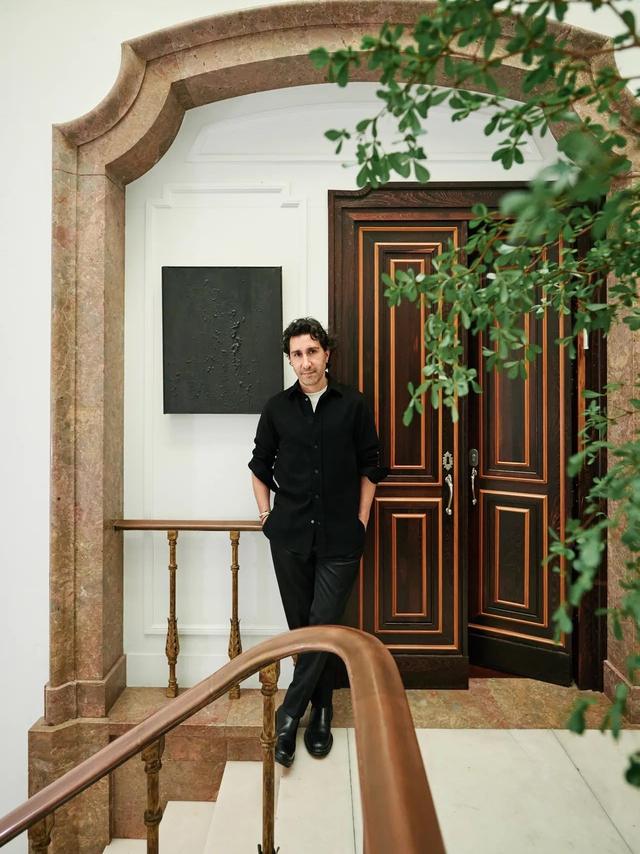
Behind the brand is a founder whose education began not in a design studio, but on the manufacturing floor. Long before building collections or defining Elwood’s creative identity, he learned how clothing is designed, produced, managed and shipped. It was an unusually practical introduction to fashion, one that revealed the invisible decisions behind every garment: the importance of fabric, the unpredictability of dye, the value of trusted factories and the many ways a product can lose its integrity between initial idea and final delivery.
That experience continues to inform Elwood today. Rather than treating clothing as content designed to survive a single season, the brand concentrates on pieces that improve through wear. Fabrics are selected for endurance and silhouettes are designed to move easily between different wardrobes and occasions. Even irregularities, such as the uneven tone of a wash or the softened edge of a seam, can become part of a garment’s appeal.
As Elwood moves into its next chapter, with physical retail, new product categories and its first true collaborations on the horizon, its ambitions are growing. Yet its central proposition remains refreshingly grounded: make clothes people genuinely want to live in.
You began on the manufacturing side of the industry, designing, producing, shipping and managing product. You have described that education as “a blessing.” What did it teach you that still shapes Elwood today?
Starting in garment manufacturing gave me a respect for the process that most people never get to see. When somebody encounters a finished piece in a store or online, everything can appear very seamless. They see the image, the silhouette and the final product, but they do not necessarily see the number of decisions or potential problems that sit behind it.
I learned early how important strong factory relationships are. Clothing production is incredibly collaborative. You can have a clear creative idea, but bringing it to life requires communication, technical understanding and trust. You need partners who understand what you are trying to achieve and who care about the product as much as you do.
When you have seen how easily things can go wrong behind the scenes, you begin to approach every decision with more intention. You understand that perfection is not always the most meaningful goal. Longevity, consistency and authenticity matter more. You start thinking about how something will actually be worn and how it will age, rather than simply how it looks when it is brand new.
When you stepped into Elwood, what was the most surprising challenge in transforming a streetwear name into a global fashion label?
The most surprising challenge was not developing the idea itself. It was staying true to the vision long enough for everyone else to see it.
What made complete sense in my head did not always immediately translate to other people. In the beginning, it could be difficult to get everybody aligned around the same feeling. There were moments when people understood individual products but did not yet see the complete world I wanted to build around them.
That can be challenging because, when you are creating something, there is often a period when the vision is still instinctive. You know how the brand should feel before you necessarily have all the words, imagery or commercial results to prove it. You have to be prepared to protect that instinct while also listening to the people around you.
Were there any early mistakes or happy accidents that unexpectedly became part of Elwood’s design language?
Definitely. In the early days, we were constantly experimenting. We were trying new washes, testing fabrics and working out what felt authentic to the brand.
One of our bestselling pieces came from a dye process that did not go according to plan. The colour came out uneven, which technically could have been considered a mistake, but it had this perfectly worn in, vintage quality. It felt real. Instead of rejecting it, we decided to lean into what had happened.
That experience taught me not to chase a sterile idea of perfection. Sometimes the irregularity is what gives a garment its personality. Clothing should not necessarily look untouched. We are drawn to pieces that appear as though they already have a history, even when they are new.
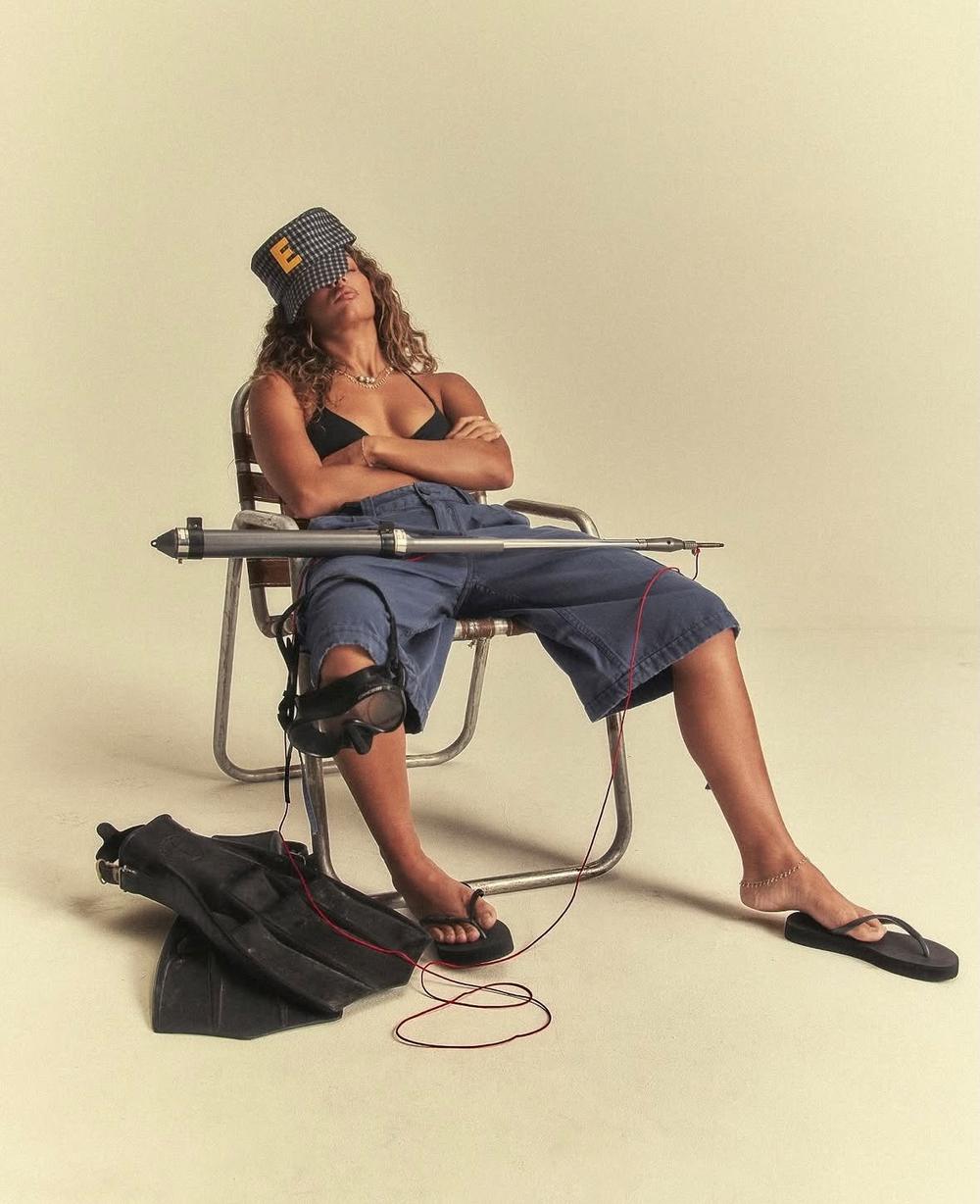
Elwood sits between skate culture, workwear and contemporary street style. How do you define its identity?
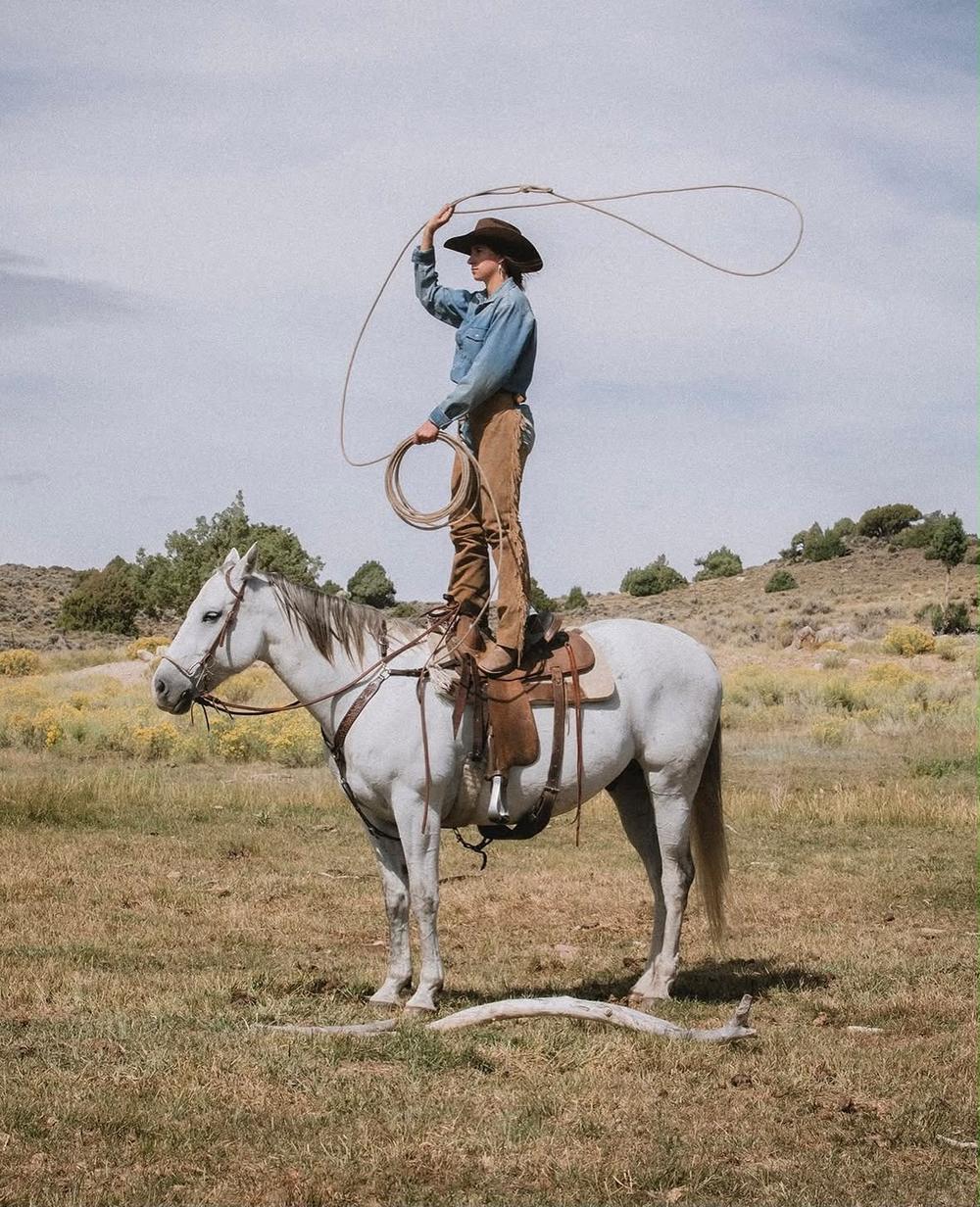
For me, Elwood is about an effortless California sensibility. Growing up in Malibu, I was always surrounded by a relaxed, beach influenced approach to dressing. People could be wearing very simple clothes, but there was a confidence in the way they put them together.
That is what we try to capture: clothing that feels easy, self assured and distinctly Californian. It is not overly styled, but it is considered. The fit matters. The fabric matters. The wash matters. Those details create the difference between something basic and something you want to wear constantly.
There are references to skate culture and workwear, but I do not want the brand to feel trapped inside one category or subculture. The larger idea is a complete wardrobe that feels natural in someone’s life.
California style is often imitated. What distinguishes the authentic version from the manufactured fantasy?
It is difficult to force because so much of it comes from lifestyle. Authentic California style is not about wearing an obvious uniform. It is more about how clothes are worn, the ease, the layering and the mix of pieces that may come from completely different places.
There is often a contrast. Something refined might be worn with something distressed. A tailored piece might be styled with a vintage T shirt or a relaxed pair of trousers. Nothing feels too precious.
That sense of ease is central to Elwood. We want the clothes to feel elevated, but we do not want the person wearing them to feel overly dressed or self conscious. The garment should give them confidence without taking over.

Sustainability and longevity appear repeatedly in the way you discuss the brand. How do those ideas influence the collection?
For us, longevity begins with materials and fit. We prioritise high quality cottons and durable blends, fabrics that feel good when they are new but can also become better with time.
The silhouette has to last too. If a piece is built entirely around a very short lived trend, it becomes difficult for someone to return to it year after year. We want our clothing to feel current, but not disposable.
Practicality and versatility are important. A piece should be able to move between different settings and work with the rest of someone’s wardrobe. Ideally, it can be worn, passed down and aged by the person who owns it while maintaining its integrity.
Is there a particular piece that represents Elwood more than any other?
Our relaxed pants feel very representative of the brand. They capture the balance we are always trying to achieve: casual but refined, comfortable but still intentional.
They are designed for everyday wear, but there is an attention to detail that you may not always find in a basic wardrobe piece. The fit has evolved over time, but it still carries that effortless, worn in confidence that has always been part of our DNA.
I also love their versatility. They can sit in many different wardrobes and be dressed up or down without losing their identity. That idea, making something accessible and easy to wear while giving it a very specific point of view, is what we want to bring to every collection.
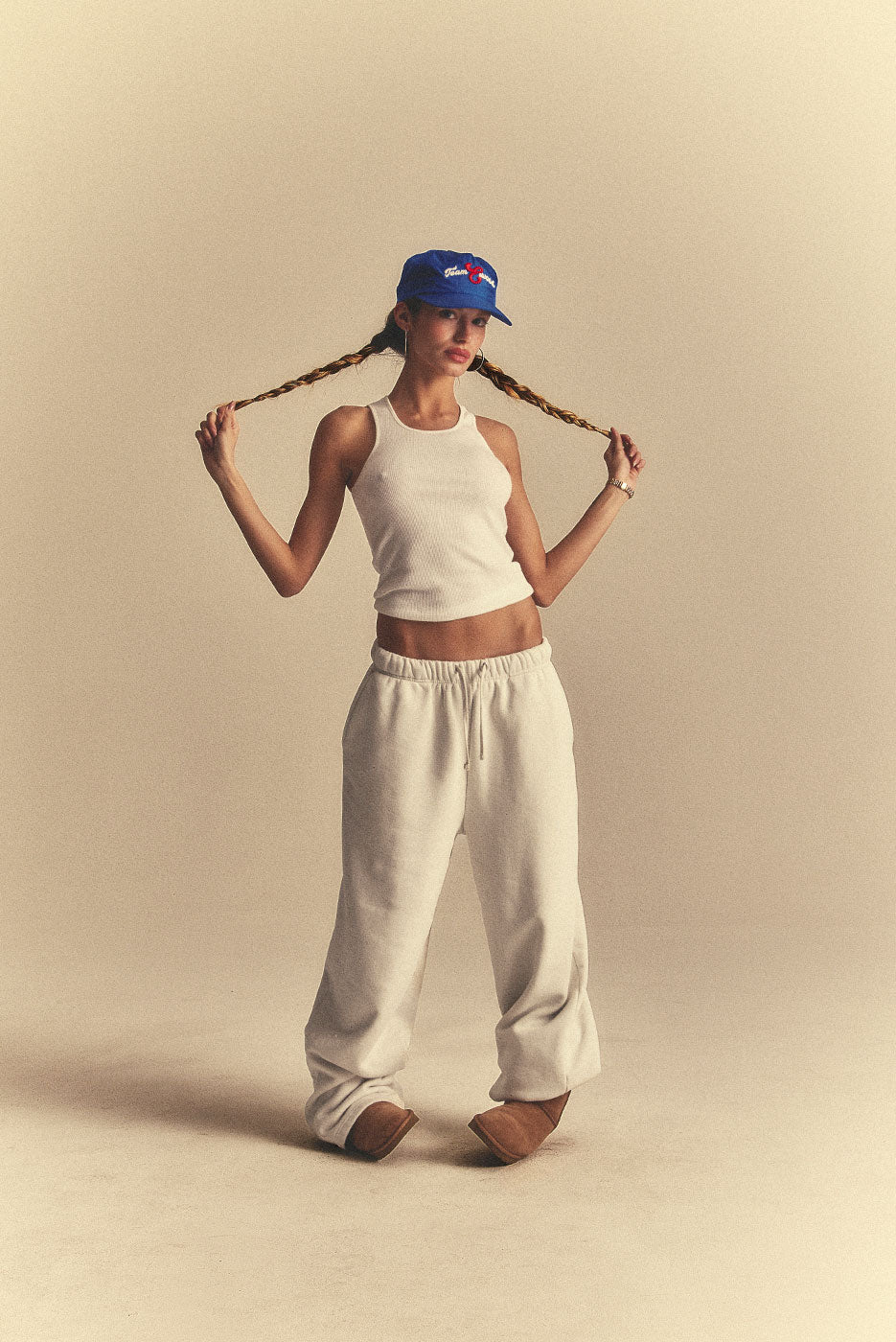
Do you personally test the clothes by living in them?
Absolutely. Wearability is difficult to judge from a sketch or even from an initial fitting. You have to understand how a garment behaves over time, how it moves, how the fabric softens and whether you still want to reach for it after the excitement of something new has passed.
That final point is important. There are products that make an immediate impression but do not become part of your life. We are trying to design the opposite: pieces whose value becomes clearer the more often you wear them.
How does Elwood build that community beyond selling clothing?
We are very intentional about creating real experiences. This year, we hosted a summer event in Malibu and invited members of our community, not only influencers or press, to spend time with us and experience the pieces firsthand.
We also held a coffee shop casting in Venice. We met people from the local community, and some of them ultimately appeared on a billboard. I loved that because it allowed the campaign to feel connected to the place and the people who genuinely understand the brand.
Going forward, we want to create more events, more interaction and more opportunities for members of the Elwood Country Club, our loyalty programme, to become part of the story.
Collaborations have become almost obligatory in streetwear. Elwood has so far been selective. Why?
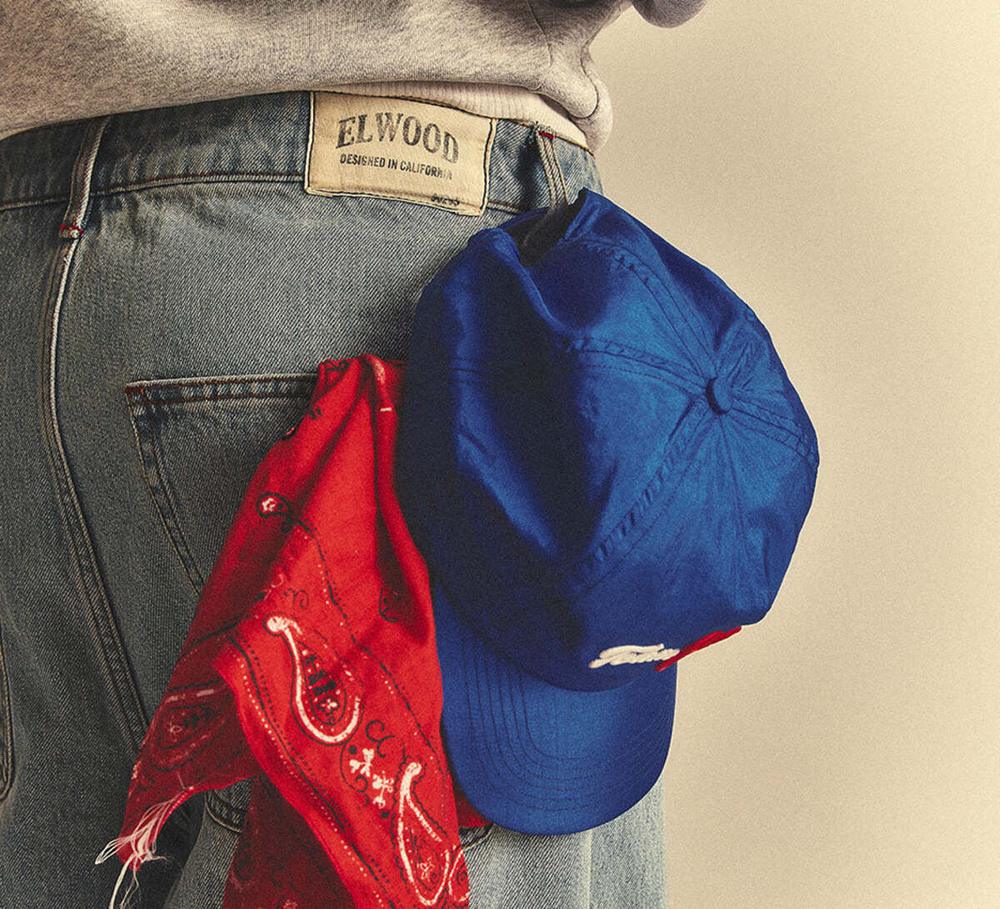
We have not completed a true collaboration yet, although we have several on the horizon. We wanted to wait until we understood what a collaboration could contribute beyond simply placing two names together.
Each partnership should have a reason. Some can help steer the brand in a new direction and others can introduce Elwood to a wider audience. The most exciting collaborations may allow us to create something completely unexpected, a product or category that Elwood would not naturally make on its own.
The important thing is that the result feels credible. A collaboration should reveal a new dimension of both partners. If it exists only to generate attention, people recognise that very quickly.
Where would you like to take Elwood next?
I would love to expand into categories that complete the look and allow us to create a full circle wardrobe. Sneakers are an exciting possibility, as are other essentials that naturally belong inside the Elwood world.
A retail store is also high on the list. Having a permanent physical presence would give people the opportunity to experience the brand properly. It would be more than a place to purchase clothing. It could become a cultural and community space.
The environment matters. The music, furniture, art and people are all part of how someone understands a brand. A store would allow us to express Elwood in three dimensions.
How do you want someone to feel when wearing Elwood?
Confident, but not overly conscious of the clothes. The pieces should support the person rather than overpower them.
I want someone to put on Elwood and feel that the proportions are right, the fabric feels good and they can move through the day without needing to think about it. That sense of ease is very powerful.
The clothes should feel personal, almost as though they have already belonged to you for years.
Finally, what advice would you give your younger self at the beginning of this journey?
I would tell myself to focus even more on community than on the product.
Product will always be the foundation. Without good clothing, nothing else lasts. But today, connection and experience matter just as much. People want to feel that they are part of something, and they want meaningful opportunities to interact with the brands they support.
I would remind myself that building a brand is not simply about creating objects. It is about creating relationships between the clothing and the person wearing it, between the company and its partners, and between the brand and the wider community.

The Skin Ritual
Keep reading →More from Institute




The Sunday Edit
One letter a week: the story we would have put on the cover, and what the archive turned up. No feed, no algorithm, no reason to miss it.
Institute Magazine. Published by NRCI Limited, registered in England and Wales (no. 15756180).